SDI Recreational Diving
SDI Dry Suit Diver Course in Melbourne
Learn to manage a dry suit safely and confidently so you can stay warmer, extend your diving season and explore colder environments.
Start a ConversationCold-water capability
Comfort Begins with Competent Suit Control
A dry suit creates an insulating air space and keeps most water away from the body, but it also introduces a second gas space that changes throughout the dive. Safe use depends on correct fit, suitable insulation, thoughtful weighting and practised control.
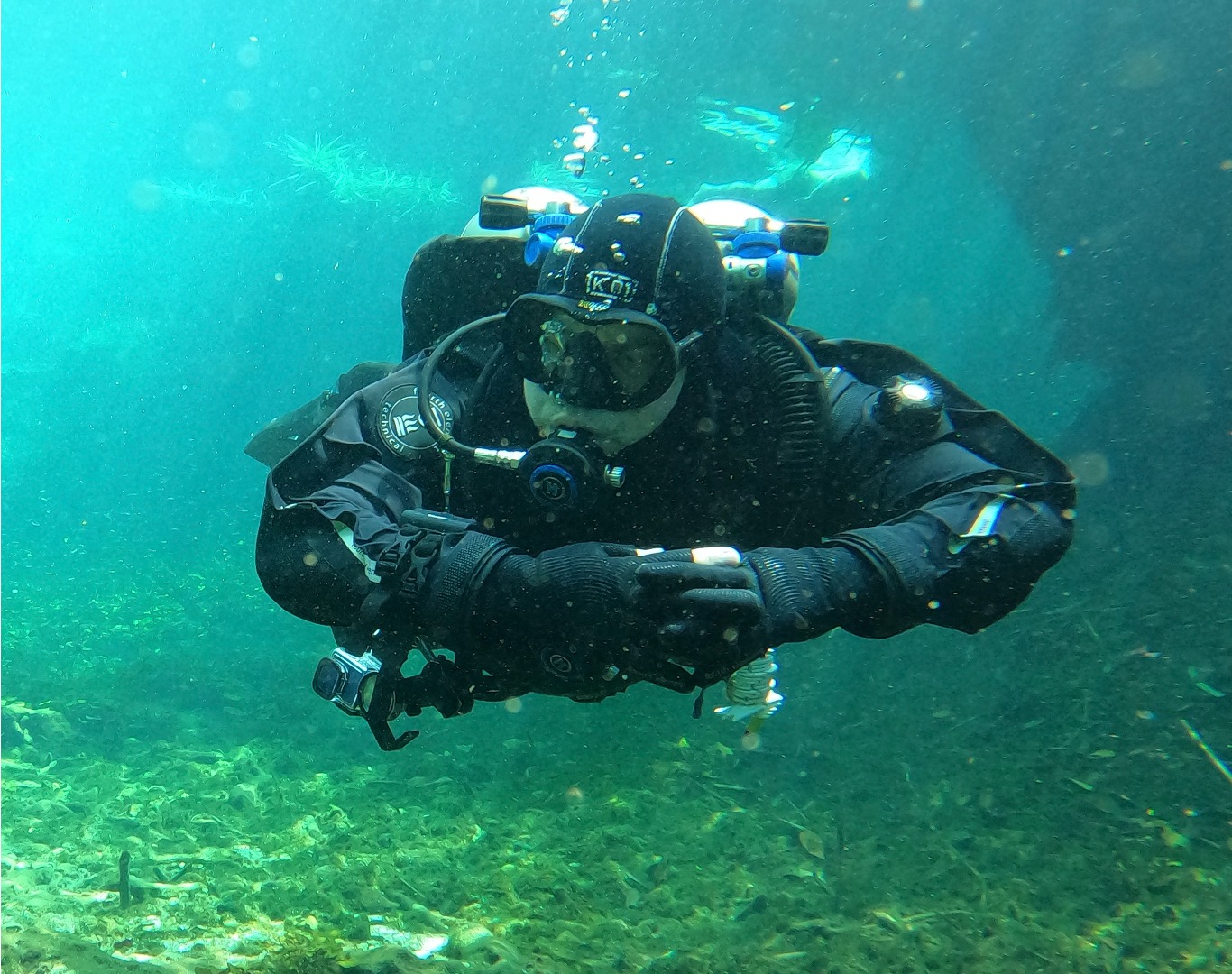
This course combines knowledge development with a controlled orientation and two open-water dives. You will learn how the suit behaves, how to manage its valves and how to respond calmly when position or buoyancy changes unexpectedly.
Course at a Glance
Who This Course Is For
- Certified divers who want greater thermal comfort in Melbourne and other cool-water environments.
- Divers planning travel to temperate or cold-water destinations.
- Divers who want to extend their local diving season with appropriate equipment and procedures.
- Divers preparing for further recreational, technical or overhead-environment training where dry-suit competence is valuable.
Prerequisites and Readiness
- SDI Open Water Scuba Diver, SDI Junior Open Water Scuba Diver, or an equivalent recognised certification.
- Minimum age 18, or age 12 with written parental consent.
- Complete the required SDI administrative and medical documentation before in-water training.
- Use a correctly fitted dry suit, suitable insulation and equipment appropriate for the training conditions.
- Complete the required orientation session before progressing to the open-water dives.
How Training Works
Orientation and Core Skills
In a pool, confined-water or shallow open-water environment, establish fit and weighting, learn the suit controls, practise buoyancy and trim, and rehearse recovery and emergency procedures before the open-water dives.
Controlled Introduction
Plan the dive, review the suit, complete a buoyancy check, descend under control, practise inflation, deflation and inverted-position recovery, then ascend with a stable safety stop. SDI recommends a maximum depth of 6 metres / 20 feet for this first dive.
Consolidation
Repeat and refine suit-control skills in open water, including emergency responses to dry-suit malfunction, before completing a controlled ascent, exit and debrief.
The dry suit manages suit squeeze and contributes to thermal comfort; it does not replace a suitable BCD. Dive limits, equipment and training locations are selected for the diver and conditions.
Skills and Knowledge You Will Develop
Continue Your Development
Dry-suit competence supports comfortable local diving and provides a stronger platform for further experience and specialty training.
Frequently Asked Questions
How many sessions and dives are required?
SDI requires one pool, confined-water or shallow open-water orientation session before two open-water training dives.
How deep is the first open-water dive?
SDI recommends that the first open-water dive be no deeper than 6 metres / 20 feet so the diver can focus on suit control in a suitable environment.
Do I need my own dry suit?
You need access to a correctly fitted and serviceable dry suit with suitable insulation. Contact us before booking to discuss fit, configuration and equipment arrangements.
Is the dry suit used instead of a BCD?
No. SDI specifically teaches that a dry suit is not a substitute for a suitable buoyancy compensator. Both pieces of equipment have defined roles and must be managed appropriately.
Can junior divers take the course?
Yes. The minimum age is 12 with written parental consent. Junior certification, depth and supervision limits continue to apply.
Is certification guaranteed after completing the dives?
No. Certification is performance-based and requires successful completion of the knowledge, orientation and open-water skill requirements.
The Blue Water Ascent approach
Stay Warmer. Remain in Control.
We give you time to understand the suit before adding open-water complexity. Coaching focuses on fit, weighting, trim, awareness and calm responses so confidence grows from demonstrated competence.
Start a Conversation About Dry Suit Training