SDI Recreational Diving
SDI Wreck Diver Course in Melbourne
Explore wrecks with a plan: assess the site, map its features and apply disciplined team, line and emergency procedures.
Start a ConversationHistory, structure and marine life
Wreck Diving Demands Deliberate Choices
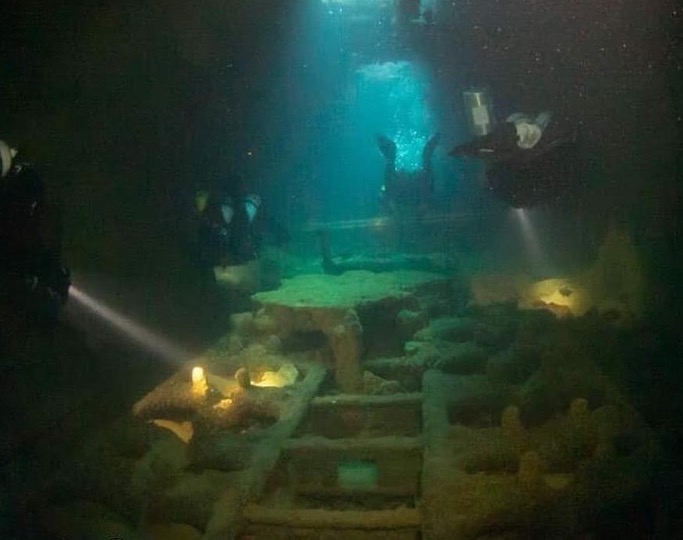
Wrecks are compelling dive sites, but sharp edges, entanglement, unstable structures, reduced visibility and restricted exits can change the consequences of a small mistake. Safe exploration begins with knowing what lies within the team’s training and what must be avoided.
The SDI Wreck Diver course develops the planning, observation and practical skills used around wrecks. It may be completed as non-penetration training or, for eligible divers, as limited-penetration training that remains within ambient light of the entry point.
Course at a Glance
Choose the Appropriate Training Pathway
Explore and Map the Exterior
Two open-water dives focus on planning, site familiarisation, exterior charting, team procedures and safe exploration without entering the wreck. Divers may begin from age 10 with parental consent, subject to junior depth and supervision limits.
Remain Within Ambient Light
A third dive adds limited-penetration skills for eligible divers aged 15 or older. Any swim-through or entry must remain within ambient light of the entry point and use conservative line, team and emergency procedures.
The final pathway, site and training plan are agreed with the instructor and depend on age, certification, recent experience, demonstrated control, conditions and whether a suitable wreck is available.
Who This Course Is For
- Certified divers who want to explore wrecks with stronger planning and hazard awareness.
- Divers interested in wreck history, marine life, photography, mapping or navigation.
- Divers who want practical experience with reels, lines and low-visibility team procedures.
- Divers considering future deep, technical or advanced wreck training.
Prerequisites and Readiness
- SDI Open Water Scuba Diver or equivalent recognised certification.
- Minimum age 10 with parental consent for non-penetration training.
- Minimum age 15 with parental consent for limited penetration.
- Junior divers cannot penetrate wrecks or exceed 18 metres / 60 feet.
- Comfortable buoyancy, trim, gas-monitoring, buddy and ascent skills appropriate for the planned site.
Skills and Knowledge You Will Develop
Continue Your Development
Frequently Asked Questions
What is the difference between non-penetration and limited penetration?
Non-penetration training explores and maps the exterior of a wreck. SDI defines limited penetration as a swim-through or penetration that remains within ambient light of the entry point. It is not advanced wreck or full-overhead training.
How many dives are required?
Non-penetration certification requires two open-water dives. Limited-penetration certification requires one additional dive, for a minimum of three. Each training dive includes a complete instructor briefing and debriefing.
What certification do I need?
You need SDI Open Water Scuba Diver or an equivalent recognised certification. Minimum age requirements depend on the pathway: 10 with parental consent for non-penetration and 15 with parental consent for limited penetration.
How deep will we dive?
Every dive remains within your current certification limit and may not exceed 40 metres / 130 feet. Junior Open Water Divers may not exceed 18 metres / 60 feet and may not participate in penetration activities.
Will I learn to use a reel?
Yes. The course covers lifelines, reels, tie-offs and directional markers. Line handling is practised on land before it is used underwater.
Does this qualify me for deep or decompression wreck diving?
No. This SDI specialty does not qualify you for planned decompression, advanced wreck penetration or other technical diving. Those objectives require further training and experience.
The Blue Water Ascent approach
Curiosity Guided by Judgement
We teach wreck diving as a decision-making discipline. Mapping, buoyancy, gas awareness and line skills matter because they help a team recognise its limits, stay oriented and choose the conservative option early.
Start a Conversation About Wreck Training