SDI Recreational Diving
SDI Sidemount Diver Course in Melbourne
Develop a balanced, streamlined sidemount configuration—and the gas-management habits needed to use it with control.
Start a ConversationConfiguration with purpose
Build a System Around the Diver
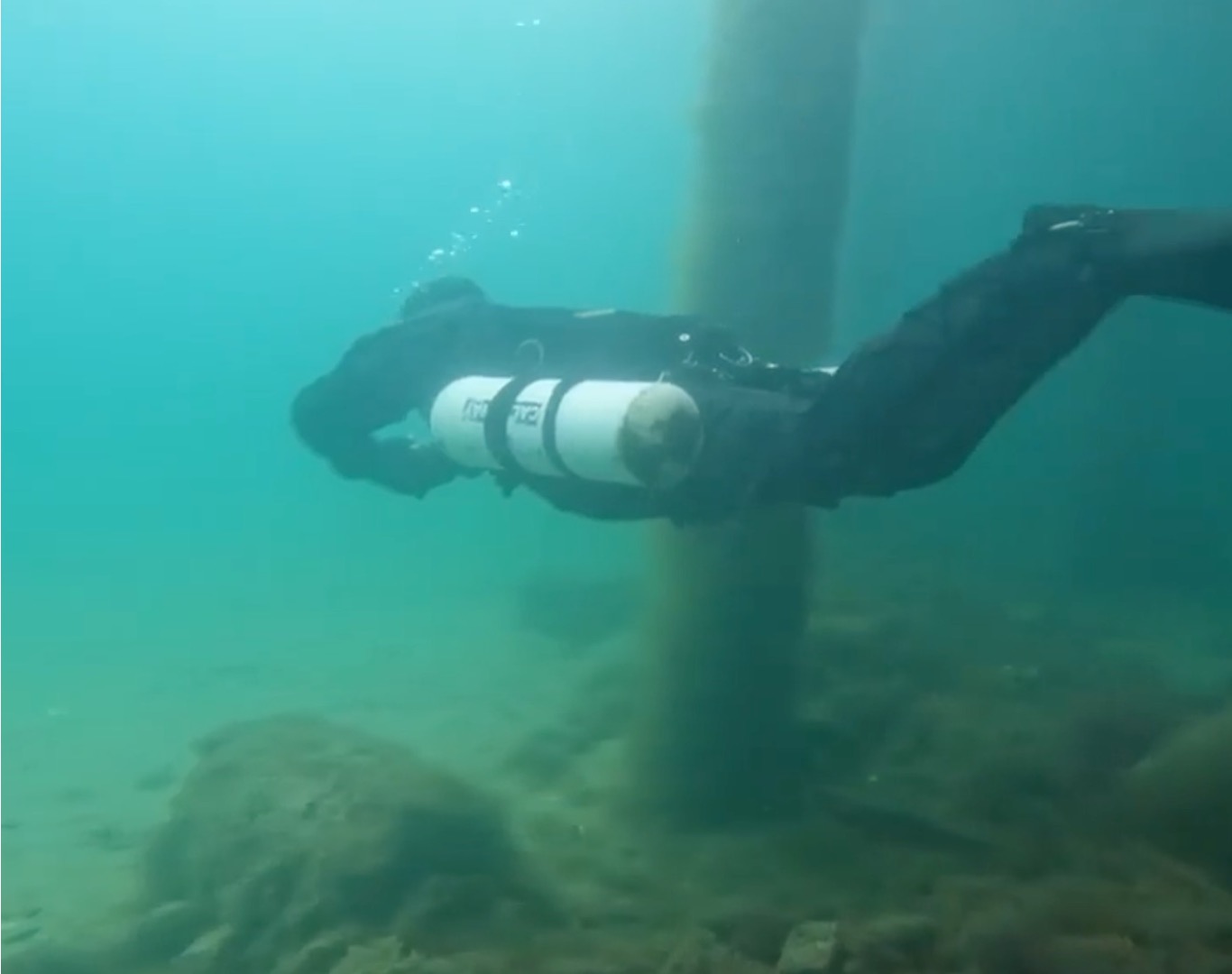
Sidemount moves the primary cylinders from the back to the sides of the diver. When configured well, it can improve cylinder access, balance and flexibility—but the benefit comes from disciplined setup and repeatable procedures, not equipment alone.
This course combines knowledge development, equipment fitting and open-water practice. You will learn to manage independent cylinders, maintain stable buoyancy and trim, and respond methodically to foreseeable problems.
Course at a Glance
Who This Course Is For
- Recreational divers seeking an alternative to a back-mounted cylinder.
- Divers who value direct access to valves and regulators.
- Divers who want to improve trim, balance and equipment awareness.
- Divers considering future technical or overhead training and wanting sound configuration foundations.
Prerequisites and Readiness
- SDI Open Water Scuba Diver or equivalent recognised certification.
- Minimum age 18, or 15 with written parental consent.
- Required SDI administrative and medical documentation completed before in-water training.
- Comfortable foundational buoyancy, gas-monitoring, buddy and ascent skills.
- A pre-course discussion to confirm suitable equipment and configuration.
How the Training Works
Fit and Configure
Review cylinder, regulator, BCD and harness options; establish weighting and attachment points; and rehearse gas-management and problem-solving procedures.
Apply the System
Complete at least two open-water dives, practising cylinder attachment, regulator switches, buoyancy, trim, gas monitoring and sidemount-specific safety drills.
Make It Repeatable
Use briefings, debriefings and logged dive data to refine the configuration and build mature judgement for future sidemount dives.
Training is adapted to the diver and conditions. Certification is based on safe, efficient performance and sound judgement—not simply attendance or completion of a minimum number of dives.
Skills and Knowledge You Will Develop
Continue Your Development
Frequently Asked Questions
Is sidemount diving only for technical divers?
No. This is a recreational SDI specialty for certified divers who want to use side-mounted primary cylinders. It can also build useful foundations for later technical or overhead training, but it is not itself a technical or overhead qualification.
How many dives are required?
The current SDI standard requires at least two open-water dives with complete instructor briefings and debriefings.
What certification do I need?
You need SDI Open Water Scuba Diver or an equivalent recognised certification. The minimum age is 18, or 15 with written parental consent.
Does the course include decompression or overhead diving?
No. The course is strictly non-decompression and conducted in a non-overhead environment. Dives remain within your current certification limits and may not exceed 40 metres / 130 feet.
Do I need to own sidemount equipment?
Not necessarily. Contact us before enrolling so we can discuss suitable cylinders, regulators, harness and buoyancy system, and whether hire or loan equipment is available.
Will one configuration work for every diver?
No. Good sidemount configuration is adjusted to the diver, cylinders, exposure protection and intended diving. The goal is a balanced, streamlined system with accessible valves and reliable gas-management procedures.
The Blue Water Ascent approach
Configuration Supports Skill—It Does Not Replace It
We treat sidemount as a complete diving system. Equipment is fitted carefully, then reinforced with precise buoyancy, gas awareness and calm problem solving until the procedures are repeatable.
Start a Conversation About Sidemount Training